Wood Stove Services in Virginia Beach, VA and surrounding areas




Wood Stove Cleaning and Maintenance in Virginia Beach and Surrounding Areas
A wood stove is only as safe and efficient as the maintenance it receives. Over time, soot and creosote build up inside the stove and chimney liner, increasing the risk of a chimney fire and reducing heating efficiency. Annual inspections and cleanings ensure your system meets NFPA 211 safety standards, vents properly, and lasts for years to come. At Premier Chimney and Roofing, we provide expert wood stove maintenance for homeowners across Virginia Beach and the surrounding Hampton Roads area, using advanced rotary-powered cleaning systems and certified inspection practices.
Q: How often should a wood stove be cleaned?
A: At least once a year, ideally before heating season. Heavy users may need mid-season cleanings to keep the system safe and efficient.
A wood stove insert is a highly efficient, self-contained heating appliance that fits inside a traditional masonry fireplace. Unlike a conventional open fireplace, a wood stove insert offers superior heating efficiency by trapping and radiating more heat into your living space.
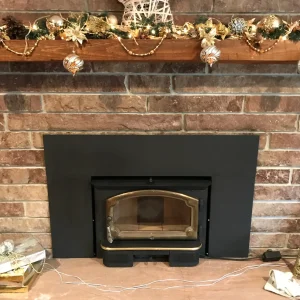
Keep Your Wood Stove or Fireplace Insert Safe and Efficient
If you’re looking to have your wood stove or fireplace insert cleaned and maintained, you’re in the right place. At Premier Chimney and Roofing, we specialize in thorough, professional chimney cleaning in Virginia Beach designed to keep your system burning cleanly, efficiently, and safely. Whether it’s a routine creosote removal, a damper check, or a full inspection of the firebox and flue, we make sure everything is operating the way it should. Annual service isn’t just about performance—it’s about protecting your home and family from fire hazards.
What is a Wood Stove Insert?
Wood stove inserts are designed to burn wood more efficiently, reducing waste and emissions while providing a cozy, warm environment. The primary function of a wood stove insert is to convert a drafty, inefficient fireplace into a powerful and cost-effective heat source.
Purpose and Function
Wood stove inserts are engineered to maximize the heat output of burning wood while minimizing the amount of wood consumed. By containing the fire in a closed, insulated environment, the insert increases combustion efficiency, allowing more heat to be directed into the room rather than lost up the chimney. These inserts are ideal for homeowners looking to enhance their fireplace’s performance and reduce heating costs, all while maintaining the charm and ambiance of a wood-burning fire.
How to Use a Wood Stove Insert
Using a wood stove insert effectively requires mastering a few key techniques and maintaining the unit regularly to ensure it operates at peak efficiency. Proper techniques include selecting the right type of seasoned wood, arranging it correctly for maximum airflow, and adjusting the damper to control the burn rate. Regular maintenance, such as cleaning the stove and chimney to prevent creosote buildup, checking seals for air leaks, and inspecting the stove’s components, is essential to ensure safety and extend the lifespan of the insert. By following these practices, you can enjoy efficient heating and a cozy home throughout the colder months.
Here are some essential tips:
- Proper Wood Selection: Use well-seasoned hardwoods like oak, maple, or hickory, which burn longer and hotter. Avoid using green or unseasoned wood, as it produces more creosote.
- Starting the Fire: Begin with a small, hot fire using kindling and small logs. Gradually add larger pieces of wood as the fire becomes established.
- Maintaining the Fire: Keep the fire burning hot to maximize efficiency and minimize creosote buildup. Adjust the air vents to control airflow and maintain a steady flame.
- Avoid Overloading: Don’t overload the stove with wood, as this can smother the fire and reduce efficiency. Allow enough space for air to circulate around the logs.
Get the Most Out of Your Wood Stove
Maximize warmth and safety with your wood stove by following expert tips on efficiency and best practices.
- Boost Efficiency – Learn how to burn less wood while generating more heat. Visit our Maximizing Wood Stove Efficiency page for practical tips.
- Stay Safe – Ensure proper installation, regular maintenance, and safe operation. Check out Wood Stove Safety and Best Practices for essential guidelines.
Explore these resources today to keep your home warm, safe, and efficient!
The Rapid Buildup of Stage 3 Creosote
One significant concern with wood stove inserts is the rapid buildup of stage 3 creosote, also known as glazed creosote. This occurs when wood is burned at low temperatures, causing unburned gases and particulates to condense on the chimney liner or stove pipe. Over time, this accumulation hardens into a thick, tar-like substance that is extremely difficult to remove.
Stage 3 creosote is particularly dangerous because it is highly flammable and can lead to a chimney fire if not properly addressed. The closed environment of a wood stove insert can accelerate this buildup, especially if the stove is not operated correctly or regularly maintained.
The Importance of Regular Cleaning and Maintenance
Regular cleaning and maintenance are crucial to prevent dangerous creosote buildup and keep your wood stove insert operating safely. Creosote, a highly flammable substance that forms as a byproduct of burning wood, can accumulate inside the stove and chimney cover with time, increasing the risk of a chimney fire. By scheduling routine cleanings and inspections, you can remove this buildup before it becomes hazardous. Additionally, maintaining the stove’s components, such as gaskets and seals, ensures that your wood stove insert continues to function efficiently and safely, providing reliable warmth for your home.
Here’s what you need to do:
- Chimney Cleaning: Have your chimney inspected and cleaned at least once a year by a certified chimney professional to remove any creosote buildup.
- Stove Maintenance: Regularly inspect the stove’s components, such as the door gasket, glass, and air vents, to ensure they are functioning correctly.
- Ash Removal: Remove ash from the firebox frequently, as a buildup can reduce airflow and efficiency.
- Flue Monitoring: Keep an eye on the flue’s temperature to ensure that the stove is burning hot enough to minimize creosote formation.
The Dangers of Neglecting Wood Stove Insert Maintenance
Neglecting the maintenance of your wood stove insert can lead to several serious dangers. Very quickly, creosote buildup can accumulate inside the stove and chimney, increasing the risk of a devastating chimney fire. Additionally, without regular maintenance, components like gaskets and seals may deteriorate, causing inefficient burning and potential carbon monoxide leaks, which can pose serious health risks. Blockages and debris in the chimney can also obstruct proper airflow, leading to smoke and dangerous fumes backing up into your home. Regular maintenance is essential to prevent these hazards, ensuring your wood stove insert remains safe and efficient.
- Chimney Fires: As mentioned, stage 3 creosote is highly flammable. If allowed to accumulate, it can ignite and cause a dangerous chimney fire.
- Toxic Fumes: Repeated exposure to wood smoke—containing fine particles, toxic gases, and carcinogens—can contribute to respiratory issues, chronic bronchitis, and other long-term health problems. Even more dangerous is the risk of carbon monoxide poisoning.
- Reduced Efficiency: Without regular maintenance, your wood stove insert will become less efficient, consuming more wood while providing less heat.
Signals That Your Wood Stove Insert Needs Replacement
Even with regular maintenance, wood stove inserts have a limited lifespan and will eventually need to be replaced. Over time, the constant exposure to high temperatures, the wear and tear on components like gaskets and firebricks, and the buildup of creosote can reduce the efficiency and safety of the unit. As materials degrade, the insert may no longer burn wood as cleanly or effectively, leading to higher energy costs and increased risks. Recognizing the signs of aging, such as visible cracks, rust, or a decline in performance, is crucial for deciding when it’s time to invest in a new wood stove insert to maintain both safety and efficiency.
Here are some signs that it may be time to replace your wood stove insert:
- Cracked or Damaged Components: Cracks in the firebox, door, or glass are signs of wear and tear that can lead to inefficiency or even unsafe operation.
- Difficulty in Lighting or Maintaining a Fire: If you struggle to get a fire going or keep it burning, it could be due to an aging or malfunctioning insert.
- Excessive Smoke or Poor Draft: If you notice more smoke than usual or a weak draft, your insert may no longer be functioning correctly.
- Outdated Technology: Older inserts are less efficient and may not meet current EPA emissions standards. Upgrading to a modern wood stove insert can significantly improve heating efficiency.
Wood Stove Frequent Questions and Answers
The Dangers of Ignoring Replacement Signals
Ignoring the signs that your wood stove insert needs replacement can have serious consequences. Continued use of a damaged or inefficient stove increases the risk of chimney fires, carbon monoxide poisoning, and reduced heating efficiency. Additionally, outdated wood stove inserts may not meet current safety and environmental standards, potentially leading to higher emissions and increased fuel costs.
By understanding the importance of proper use, maintenance, and timely replacement of your wood stove insert, you can enjoy the warmth and ambiance of a wood-burning fire safely and efficiently. Regularly maintaining your wood stove insert is not just about keeping it functional; it’s about ensuring the safety and comfort of your home.
Remember, whether you’re installing a new wood stove insert or maintaining an existing one, prioritizing safety and efficiency is key to a warm and worry-free winter season.
Wood Stove Installation: The First Step to a Cozy Home
Installing a wood stove is an excellent way to bring warmth and charm to your home. A properly installed wood stove can provide efficient heat, reduce energy costs, and create a cozy focal point for your living space. Our team specializes in wood stove installations, ensuring every step is handled with precision—from selecting the right stove to adhering to safety codes and best practices during installation.
When installing a wood stove, it’s important to consider factors such as proper venting, stove placement, and adequate clearances to ensure safety and efficiency. Our expert installers will guide you through every decision, ensuring your wood stove not only meets your heating needs but also complies with all safety requirements.
If you’re ready to enjoy the benefits of a new wood stove, visit our dedicated Wood Stove Installation page for more details. There, you’ll find helpful information on choosing the best wood stove for your home, the installation process, and the advantages of a professional installation. Let us help you make your home warmer, more efficient, and more comfortable with a beautiful new wood stove.
Photo Gallery
Visit Our Office Location
We invite you to visit Premier Chimney and Roofing! You can easily find us on Google Maps at GPS coordinates VVV3+RX Virginia Beach, Virginia. Whether you need expert chimney services or want to meet our team, we are conveniently located at 1561 Bradford Rd #101, Virginia Beach, VA 23455. We’re here to assist with all your chimney and roofing needs!
Appointment Communication:
- Booking confirmation, at time of scheduling, via text or email
- Email identifying your assigned technician and what to expect
- Reminder notice, the day before your appointment, via text
- Final reminder, the morning of your appointment, via text
- 20-30 minute Heads up when technician is in route
Key Benefits of Service:
- Power sweep with mechanically powered brush system
- Glass treatment with specialized high heat glass cleaner
- Camera Scan Inspection of the internal lining
- Pictures of the exterior chimney, cap, flashings, and surrounding roof
- Digital report with pictures, findings, and recommendations
A free standing wood stove is a self-contained heating appliance that is not attached to a wall or built into a fireplace. These stoves are designed to sit directly on the floor, making them a versatile option for any room in your home.
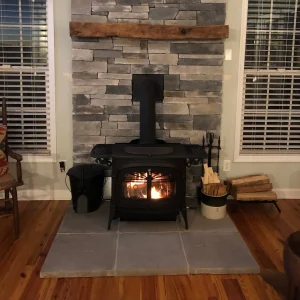
Freestanding Wood Stove Cleaning and Maintenance
Freestanding wood stoves need regular cleaning and professional maintenance to perform safely and efficiently. At Premier Chimney and Roofing, we offer expert service tailored specifically for freestanding stoves—removing built-up creosote, inspecting the flue and stovepipe, checking door seals and gaskets, and making sure the entire system is operating at peak performance. If it’s time for your annual stove cleaning or a mid-season checkup, we’re here to help keep your home warm, safe, and protected from chimney fire risks.
What is a Free Standing Wood Stove?
Free standing wood stoves are highly efficient, providing robust and consistent heat while burning wood more effectively than traditional fireplaces. Their primary function is to generate heat by burning wood, offering a cozy, warm environment that can significantly reduce your reliance on other heating sources.
Purpose and Function of Free Standing Wood Stoves
Free standing wood stoves are engineered to maximize heat output by containing the fire in a closed, insulated chamber. This design allows the stove to burn wood more completely, converting a higher percentage of the wood’s energy into heat. As a result, these stoves provide more warmth for less wood, making them an environmentally friendly and cost-effective heating solution. Their versatility also means they can be placed almost anywhere in your home, making them an excellent option for both primary and supplemental heating.
How to Use a Free Standing Wood Stove
To maximize the efficiency and lifespan of your freestanding wood stove, proper usage and regular maintenance are crucial. Start by using only seasoned hardwoods, which burn cleaner and produce more heat, helping to prevent creosote buildup in your chimney. Always follow the manufacturer’s guidelines for loading and operating the stove to ensure safe and optimal performance. Regularly clean the stove and chimney to remove ash and soot, which can affect airflow and reduce efficiency. By taking these steps, you’ll enjoy a warm, efficient, and safe heating experience throughout the colder months.
Here are some tips:
- Selecting the Right Wood: Use seasoned hardwoods like oak, maple, or hickory. These woods burn hotter and longer, producing less creosote than softer, unseasoned woods.
- Starting and Maintaining the Fire: Begin with a small, hot fire using kindling and gradually add larger logs. Maintain a steady, hot fire by adjusting the air vents to ensure efficient combustion.
- Loading the Stove: Avoid overloading the stove with wood. A balanced load allows for better airflow, which helps the wood burn more completely and efficiently.
- Proper Ventilation: Ensure that your stove is vented correctly, with the chimney or flue providing a consistent draft to maintain a hot, clean-burning fire.
The Rapid Buildup of Stage 3 Creosote in Free Standing Wood Stoves
One of the primary concerns with free standing wood stoves is the rapid buildup of stage 3 creosote, also known as glazed creosote. This occurs when wood is burned at lower temperatures, causing unburned gases and particulates to condense and accumulate on the interior surfaces of the chimney or flue. Over time, this accumulation hardens into a thick, tar-like substance that is extremely difficult to remove.
Stage 3 creosote is particularly hazardous because it is highly flammable and can lead to chimney fires if not properly addressed. The enclosed environment of a free standing wood stove can accelerate this buildup, especially if the stove is not operated at high temperatures or maintained regularly.
The Importance of Regular Wood Stove Cleaning and Maintenance
Regular cleaning and maintenance are key to preventing dangerous creosote buildup in your freestanding wood stove. Creosote is a highly flammable substance that forms when wood burns, and if left unchecked, it can lead to chimney fires. By cleaning your stove and chimney regularly, you remove this hazard and ensure your stove operates safely and efficiently. Consistent maintenance also helps your stove burn more efficiently, saving you fuel and keeping your home warm and safe.
Here’s what you should do:
- Chimney and Flue Cleaning: Have your chimney and flue inspected and cleaned annually by a certified chimney professional. This helps to remove any creosote buildup and ensure that the venting system is clear.
- Stove Maintenance: Regularly check and maintain the stove’s components, such as the door gasket, glass, and air vents, to ensure they are functioning correctly.
- Ash Removal: Clear out ash from the firebox regularly to maintain proper airflow and prevent excessive buildup that could hinder performance.
- Monitor Flue Temperature: Keep an eye on the flue’s temperature to ensure that the stove is burning hot enough to minimize creosote formation.
The Dangers of Neglecting Free Standing Wood Stove Maintenance
Neglecting the maintenance of your freestanding wood stove can result in a range of serious hazards. First, creosote buildup can accumulate in the chimney, increasing the risk of a dangerous chimney fire. Additionally, an unmaintained stove may develop cracks or leaks, allowing harmful gases like carbon monoxide to escape into your home, posing significant health risks. Inefficient burning due to clogged vents or a dirty stove can also reduce the heat output, leading to higher fuel costs and a colder home. Regular maintenance is essential to avoid these dangers and keep your stove operating safely and efficiently.
Avoid these issue with regular wood stove maintenance:
- Chimney Fires: Stage 3 creosote is highly flammable. If it accumulates, it can ignite, causing a dangerous chimney fire.
- Carbon Monoxide Poisoning: An improperly maintained stove can produce carbon monoxide, a deadly gas that can seep into your home if the stove or chimney is not vented properly.
- Reduced Efficiency: Without regular maintenance, your stove will become less efficient, consuming more wood while providing less heat.
Signals That Your Free Standing Wood Stove Needs Replacement
Even with consistent maintenance, freestanding wood stoves have a limited lifespan. Over time, the materials in the stove, such as metal components, can weaken due to the high heat and constant use, leading to cracks or warping. The seals and gaskets that keep the stove airtight can deteriorate, reducing the stove’s efficiency and safety. Eventually, these wear and tear factors can affect the stove’s performance, making it less effective at heating your home and more prone to safety risks. Recognizing when it’s time to replace your stove is crucial to maintaining a safe and efficient heating system.
Here are some signs that it may be time to replace your stove:
- Cracked or Damaged Components: If you notice cracks in the firebox, door, or glass, it may be time to replace the stove. These signs of wear can reduce efficiency and pose safety risks.
- Difficulty in Lighting or Maintaining a Fire: If you struggle to get a fire going or keep it burning, your stove may be losing its efficiency, indicating it’s time for a replacement.
- Excessive Smoke or Poor Draft: If you notice more smoke than usual or experience a weak draft, it could mean that your stove or chimney is not functioning correctly.
- Outdated Technology: Older stoves may not meet current EPA emissions standards. Upgrading to a modern free standing wood stove can significantly improve heating efficiency and reduce environmental impact.
The Dangers of Ignoring Replacement Signals
Ignoring the signs that your free standing wood stove needs replacement can have serious consequences. Continued use of a damaged or inefficient stove increases the risk of chimney fires, carbon monoxide poisoning, and higher heating costs due to reduced efficiency. Additionally, older stoves may not comply with current safety and environmental regulations, leading to potential code violations and increased emissions.
Wood Stove Frequent Questions and Answers
Wood Burning Stove Installation: The First Step to a Cozy Home
Wood burning stove installation is an excellent way to bring warmth and charm to your home. A properly installed wood burning stove can provide efficient heat, reduce energy costs, and create a cozy focal point for your living space. Our team specializes in wood burning stove installations, ensuring every step is handled with precision—from selecting the right stove to adhering to safety codes and best practices during installation.
When installing a wood burning stove, it’s important to consider factors such as proper venting, stove placement, and adequate clearances to ensure safety and efficiency. Our expert installers will guide you through every decision, ensuring your wood burning stove not only meets your heating needs but also complies with all safety requirements.
If you’re ready to enjoy the benefits of a new wood burning stove, visit our dedicated Wood Burning Stove Installation page for more details. There, you’ll find helpful information on choosing the best wood burning stove for your home, the installation process, and the advantages of a professional installation. Let us help you make your home warmer, more efficient, and more comfortable with a beautiful new wood burning stove.
Meeting National Standards and Codes
Investing in a free standing wood stove and maintaining it properly ensures not only your comfort but also the safety and efficiency of your home’s heating system. Prioritize these updates and practices to enjoy the full benefits of a wood-burning stove while protecting your home and family.
Installation Guide
Photo Gallery
Appointment Communication:
- Booking confirmation, at time of scheduling, via text or email
- Email identifying your assigned technician and what to expect
- Reminder notice, the day before your appointment, via text
- Final reminder, the morning of your appointment, via text
- 20-30 minute Heads up when technician is in route
Key Benefits of Service:
- Power sweep with mechanically powered brush system
- Glass treatment with specialized high heat glass cleaner
- Camera Scan Inspection of the internal lining
- Pictures of the exterior chimney, cap, flashings, and surrounding roof
- Digital report with pictures, findings, and recommendations
If you have an older wood stove insert installed in your home, it’s crucial to consider updating it with a new stainless steel liner that uses a direct connection to the stove’s output. This update is not just about enhancing the performance of your wood stove insert; it’s also about meeting modern safety standards and codes that are designed to protect your home and your family.
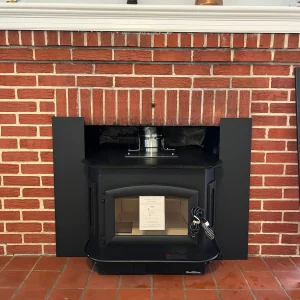
The Importance of a Stainless Steel Liner with Direct Connection
A stainless steel liner is an essential upgrade for older wood stove inserts. This liner provides a dedicated venting system that ensures all the exhaust gases, including smoke, soot, and creosote, are safely expelled through one dedicated vent.
Here’s why this is so important:
- Improved Safety: Older wood stove inserts often vent through the existing chimney without a dedicated liner, allowing creosote to build up on the chimney walls. A stainless steel liner prevents this by channeling the exhaust directly through the liner, reducing the risk of dangerous creosote accumulation and chimney fires.
- Enhanced Efficiency: A direct connection to the stove’s output means that the wood stove insert operates more efficiently. By creating a sealed system, the liner helps maintain optimal draft, which ensures that your stove burns hotter and cleaner, maximizing heat output and minimizing wood consumption.
- Compliance with Modern Codes and Standards: National standards such as the National Fire Protection Association (NFPA) 211 and local building codes require that wood stove inserts be installed with a properly sized, dedicated venting system. These standards are in place to ensure that all wood-burning appliances are vented safely and efficiently. Updating your old wood stove insert with a stainless steel liner ensures that your system meets these requirements, protecting you from potential code violations and insurance issues.
- Long-Term Durability: Stainless steel liners are highly resistant to corrosion and the acidic byproducts of wood combustion. This durability means that a stainless steel liner will last much longer than traditional clay or unlined chimneys, providing you with a long-term solution for safe and efficient wood stove operation.
Key Benefits of Updating to a Stainless Steel Liner
- Increased Fire Safety: Reduces the risk of chimney fires caused by creosote buildup.
- Improved Indoor Air Quality: Prevents smoke and harmful gases from leaking into your home.
- Better Draft Control: Ensures a consistent and efficient draft, improving the stove’s performance.
- Code Compliance: Meets all modern safety codes and national standards for wood stove insert installation.
- Extended Chimney Life: Protects the chimney structure from the corrosive effects of smoke and combustion gases.
Wood Stove Frequent Questions and Answers
Wood Stove Installation: Create a Warm and Inviting Home
Installing a wood stove is a fantastic way to add warmth and character to your living space. Not only does a well-installed wood stove offer efficient heating, but it also helps lower energy bills while providing a charming focal point in your home. Our experienced team is dedicated to ensuring your wood stove installation is completed with precision—from selecting the perfect stove to following all safety codes and industry standards.
Proper wood stove installation involves careful consideration of several key factors, such as correct venting, optimal stove placement, and maintaining adequate clearance to guarantee safety and maximum efficiency. Our professional installers will walk you through each step, making sure your new stove fits your needs and adheres to all safety regulations.
Ready to enjoy the comfort of a new wood stove? Head over to our Wood Stove Installation page for detailed information about the installation process, choosing the right stove, and the benefits of professional installation. Let us help transform your home into a more comfortable, energy-efficient space with a beautiful new wood stove.
Meeting National Standards and Codes
When updating your wood stove insert with a stainless steel liner, it’s essential to adhere to the guidelines set by national standards and local building codes. The NFPA 211, for example, specifies that all wood-burning appliances, including wood stove inserts, must be vented through a liner that is properly sized and dedicated to that specific appliance. Additionally, the Environmental Protection Agency (EPA) has established strict emissions standards that older wood stove inserts may not meet. Upgrading to a new liner helps ensure that your wood stove insert complies with these important regulations.
By updating your old wood stove insert with a stainless steel liner and a direct connection, you not only enhance the safety and efficiency of your heating system but also bring your home up to current standards. This update is an investment in the long-term safety, performance, and compliance of your wood stove insert, providing peace of mind for years to come.
Prioritizing these upgrades ensures that your wood stove insert will continue to provide warmth and comfort without compromising safety or efficiency.
Installation Guide
Photo Gallery
Appointment Communication:
- Booking confirmation, at time of scheduling, via text or email
- Email identifying your assigned technician and what to expect
- Reminder notice, the day before your appointment, via text
- Final reminder, the morning of your appointment, via text
- 20-30 minute Heads up when technician is in route
Key Benefits of Service:
- Power sweep with mechanically powered brush system
- Glass treatment with specialized high heat glass cleaner
- Camera Scan Inspection of the internal lining
- Pictures of the exterior chimney, cap, flashings, and surrounding roof
- Digital report with pictures, findings, and recommendations
The Chimney Safety Institute of America (CSIA) recommends annual cleaning or more frequently if you burn heavily or notice significant creosote buildup.
A Level 2 inspection uses video scan technology to evaluate internal flue, joints, clearances, and hidden defects that can’t be seen in a basic visual inspection.
Regular maintenance ensures safe operation, helps prevent chimney fires, and maintains proper efficiency by catching issues early.
Yes. Every wood stove insert requires a properly sized and UL-listed chimney liner that connects the stove to the top of the chimney. This ensures safe draft, efficient venting, and compliance with NFPA 211 and manufacturer installation codes. A direct-connect or partial liner setup is not acceptable under current standards in Virginia.
No. Operating without a full chimney liner can lead to poor draft, creosote buildup, smoke spillage, and even chimney fires. A stainless-steel liner isolates exhaust gases, protects masonry, and helps your insert perform safely and efficiently — especially important for older chimneys in Virginia Beach’s coastal climate.