Best Practices for Wood Stove Safety
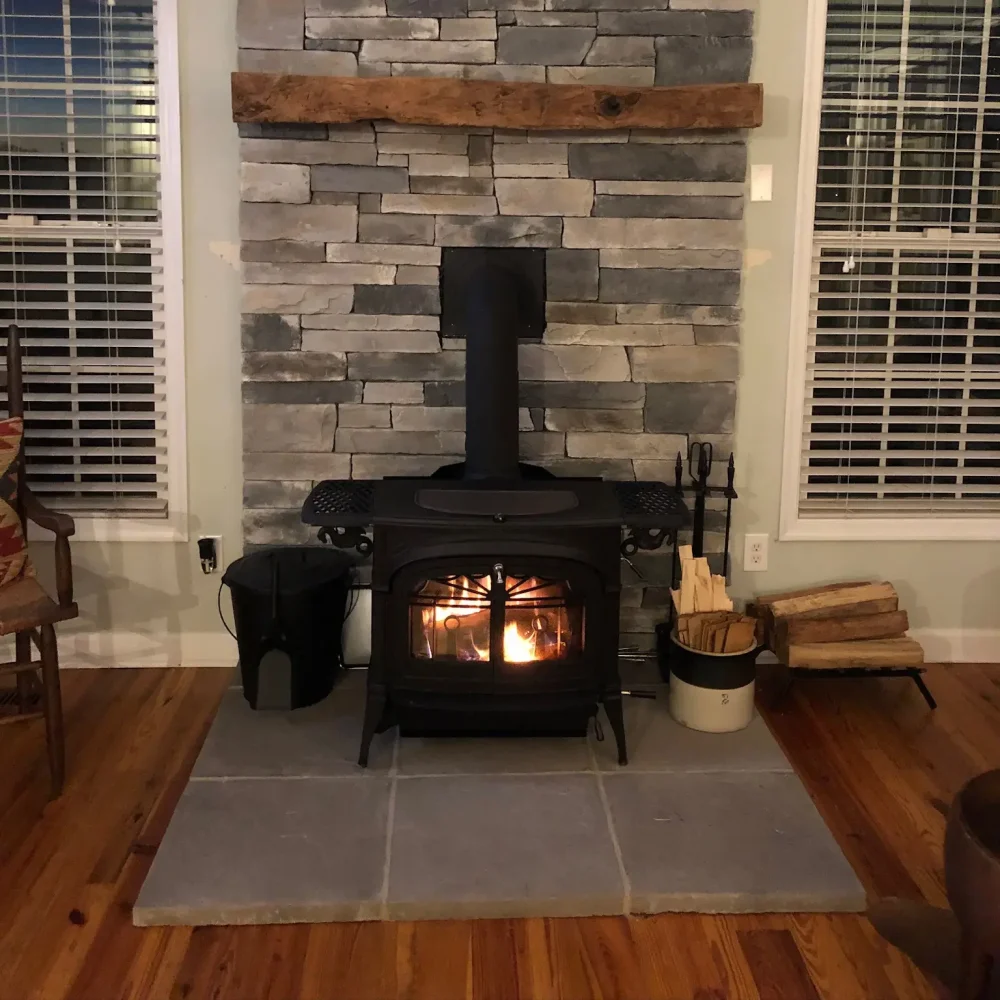
Wood stoves are a great source of heat, but ensuring their safe operation is crucial for protecting your home and family. Regular maintenance, proper usage, and following safety guidelines can prevent fire hazards and ensure your wood stove functions efficiently.
This guide outlines the best safety practices to follow when using a wood stove.
Install Carbon Monoxide and Smoke Detectors
Carbon Monoxide Detectors
Carbon monoxide (CO) is a colorless, odorless gas that can be fatal if inhaled in large amounts. Since wood stoves produce carbon monoxide, installing a CO detector near your wood stove is a must. Make sure the detector is in working condition by testing it regularly and replacing the batteries as needed.
Smoke Detectors
Properly installed smoke detectors in the room where your wood stove is located add an extra layer of safety. Make sure your detectors are working and that you change the batteries at least once a year to ensure they’re functional in case of an emergency.
Maintain Adequate Clearance Around the Stove
Wood stoves get extremely hot during operation, so it’s important to maintain proper clearance between the stove and nearby objects or materials. Follow the manufacturer’s guidelines for clearance distance between the stove and combustible materials like walls, furniture, and curtains. In general, it’s recommended to have at least 36 inches of clearance on all sides of the stove.
Use Heat Shields
If your wood stove is installed in a confined space or near combustible materials, consider installing a heat shield to reduce the risk of overheating nearby objects. Heat shields act as a protective barrier, reducing the amount of radiant heat that reaches walls or furniture.
Use Proper Flooring Protection
Wood stoves should be installed on a non-combustible surface to protect your flooring from heat and sparks. Here are the best options for flooring protection:
- Fire-Resistant Pads: Specialized pads made from heat-resistant materials can be placed under the stove.
- Tiles or Stone: A layer of ceramic tile, brick, or stone under and around the stove provides excellent heat protection for your floors.
- Raised Hearth: If you have a raised hearth, ensure it is made from non-combustible material like brick or stone.
Ensure that the protective flooring extends at least 18 inches beyond the stove’s front to catch any falling embers or ashes.
Never Burn Unapproved Materials
Only burn properly seasoned firewood in your wood stove. Burning unapproved materials can release harmful chemicals and increase the risk of a chimney fire. Avoid burning:
- Treated or Painted Wood: These materials can release toxic fumes.
- Paper or Cardboard: Paper can burn too quickly and send embers up the chimney, leading to a fire risk.
- Wet or Unseasoned Wood: This produces excess smoke and creosote buildup, reducing efficiency and increasing fire risk.
Stick to using dry, seasoned hardwoods like oak, maple, or hickory to ensure efficient and safe operation.
Operate the Stove with Proper Ventilation
Proper ventilation is crucial for the safe operation of a wood stove. Make sure your stove is connected to a well-maintained chimney or stovepipe that is designed to vent smoke and gases out of the home.
Open the Damper
Always open the stove’s damper before starting a fire to allow proper airflow. The damper controls how much oxygen enters the firebox, helping the fire burn more efficiently and reducing the risk of carbon monoxide buildup.
Check the Chimney
Before each burning season, have your chimney or stovepipe inspected and cleaned by a professional to remove creosote buildup and ensure there are no blockages.
Use the Right Tools for Fire Management
When managing your fire, use the appropriate wood stove tools to ensure safety:
- Fireplace Poker: This is used to safely move logs and adjust the fire.
- Ash Shovel: After the fire has cooled, use a shovel to remove excess ash from the firebox.
- Tongs: These allow you to handle hot logs safely when repositioning them inside the stove.
- Gloves: Wear heat-resistant gloves when managing the fire or handling hot materials.
Having the right tools on hand minimizes the risk of burns and makes it easier to manage the fire safely.
Perform Regular Inspections and Maintenance
Maintaining your wood stove is key to safe and efficient operation. Perform regular chimney inspections and schedule maintenance to catch potential issues early.
Inspect Seals and Gaskets
Check the gaskets around the stove door and air vents for wear or damage. Damaged seals can result in air leaks, reducing the stove’s efficiency and increasing fire risk.
Clean the Glass Door
Soot and residue can build up on the glass door, blocking your view of the fire and making it difficult to control the flame. Regularly clean the glass door using stove-safe cleaning products.
Ash Removal
Excess ash in the firebox can block airflow and reduce efficiency. Regularly remove ash when the stove is not in use, making sure to store the ash in a metal container away from flammable materials.
Have Your Chimney Cleaned Annually
Regular chimney cleaning is one of the most important safety measures you can take. Over time, burning wood produces creosote, a highly flammable substance that can cause chimney fires if not removed. To keep your chimney safe:
- Schedule an Annual Cleaning: Have a professional chimney sweep clean your chimney at least once a year.
- Monitor Creosote Levels: If you use your wood stove heavily, you may need to clean the chimney more frequently to prevent creosote buildup.
Conclusion
By following these wood stove safety practices, you can enjoy a warm and efficient heating system while reducing the risk of fire hazards in your home. From maintaining proper clearance to burning the right materials and scheduling regular chimney cleaning, these best practices will ensure your wood stove operates safely throughout the winter season.