Maximizing Wood Stove Efficiency
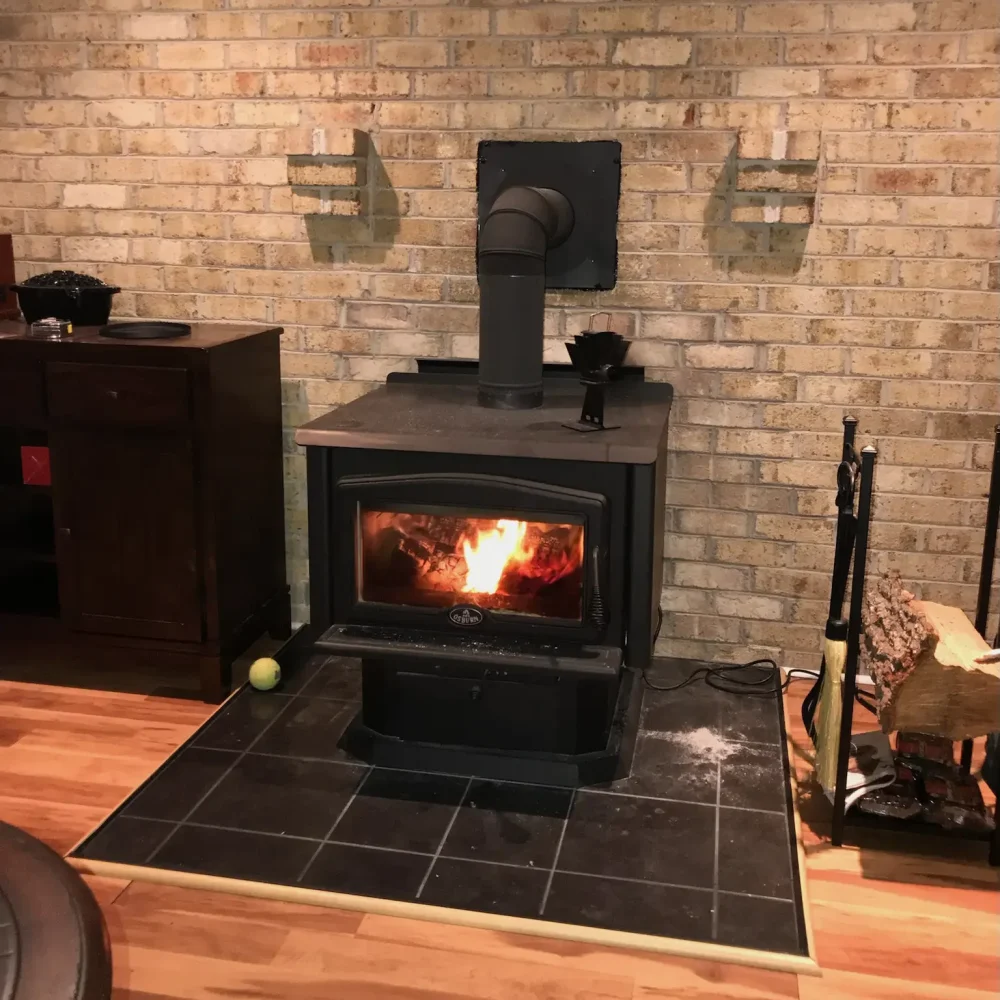
A wood stove is an excellent source of heat for your home, but to get the most out of it, you need to focus on maximizing its efficiency. An efficient wood stove can reduce fuel consumption, provide consistent heat, and minimize emissions.
This guide will help you understand the factors that influence wood stove efficiency and provide actionable tips to improve performance.
Understanding Wood Stove Efficiency
Wood stove efficiency refers to how well your stove converts wood into usable heat. Modern EPA-certified wood stoves are designed to be highly efficient, offering up to 80% efficiency compared to older models that may only achieve 40-50%. The key factors that influence efficiency include:
- Stove Design: Newer stoves use secondary combustion and catalytic converters to burn wood more completely, reducing waste and increasing heat output.
- Wood Quality: The type and moisture content of the wood you burn directly affect your stove’s efficiency. Seasoned hardwoods are the best option for maximizing heat production.
- Maintenance: A well-maintained wood stove operates more efficiently than one with blocked air vents, dirty glass, or creosote buildup.
Choosing the Right Wood for Maximum Efficiency
Hardwoods vs. Softwoods: Choosing the right type of wood is crucial for getting the most heat out of your stove. Hardwoods, such as oak, hickory, and maple, are denser and burn hotter and longer than softwoods like pine or spruce. This means you’ll need less wood to produce the same amount of heat, making hardwoods more efficient.
Seasoned Wood: Seasoned wood, which has been properly dried and has a moisture content of less than 20%, burns hotter and cleaner. Wet or unseasoned wood burns inefficiently, producing more smoke and creosote while generating less heat. For optimal efficiency:
- Split the wood into smaller pieces to speed up drying.
- Store wood in a dry, ventilated area for at least six months to ensure proper seasoning.
The Role of Secondary Combustion and Catalytic Converters
Modern wood stoves are equipped with advanced technology to improve efficiency, such as:
- Secondary Combustion: This feature allows the stove to re-burn gases and particulates that would otherwise escape as smoke. By burning more of the fuel, secondary combustion stoves produce more heat and fewer emissions.
- Catalytic Converters: Catalytic stoves use a catalytic combustor to burn the wood’s gases at lower temperatures, further increasing efficiency. This allows for longer, slower burns and reduced emissions.
If your stove doesn’t have these features, upgrading to an EPA-certified model can dramatically improve efficiency.
Improving Airflow for Better Combustion
Proper airflow is essential for achieving complete combustion, which maximizes heat production and minimizes smoke and emissions. Here are some ways to improve airflow in your wood stove:
- Open Air Vents: Ensure that the air intake vents are fully open when starting a fire to allow sufficient oxygen for combustion. Once the fire is established, you can adjust the vents to control the burn rate.
- Install a Blower: Some freestanding wood stoves come with blower attachments that help circulate warm air more efficiently throughout the room, making your stove more effective at heating larger areas.
- Avoid Overloading: Overloading the stove with wood can restrict airflow and reduce combustion efficiency. For the best results, add smaller amounts of wood gradually, allowing enough space for airflow.
Regular Maintenance for Efficiency
Chimney Cleaning: A clean chimney is essential for efficient wood stove operation. Creosote buildup restricts airflow and reduces draft, which can cause poor combustion and excessive smoke. Scheduling regular chimney cleanings will help maintain proper airflow and reduce the risk of chimney fires.
Inspecting Seals and Gaskets: Worn or damaged gaskets and seals around the stove door or air vents can allow air leaks, reducing your stove’s efficiency. Inspect these parts regularly and replace them if they show signs of wear.
Cleaning the Glass Door: Dirty glass can prevent you from monitoring the fire and adjusting it for optimal efficiency. Clean the glass regularly with stove-safe cleaning solutions to ensure you can always see inside the stove.
Use of Stove Thermometers for Optimal Temperature Control
A stove thermometer can help you monitor and maintain the ideal operating temperature for your wood stove. This ensures that you’re burning wood at the right temperature to maximize efficiency while minimizing creosote buildup and emissions.
Why You Need a Stove Thermometer:
- Prevent Overheating: Running your stove too hot can damage the stove and its components, reducing its lifespan.
- Avoid Underheating: Burning wood at too low a temperature results in incomplete combustion, which wastes fuel and increases creosote formation.
- Monitor Efficiency: A stove thermometer helps you keep your stove within the optimal temperature range for efficient heat output and safe operation.
Upgrading Your Wood Stove for Better Efficiency
If your current wood stove is more than 10 years old, it may be time for an upgrade. Modern EPA-certified wood stoves are designed to be much more efficient than older models, providing significant energy savings over time. Benefits of upgrading include:
- Higher Efficiency: Newer stoves use advanced combustion technology to burn wood more completely and produce more heat.
- Lower Emissions: EPA-certified stoves produce fewer pollutants, making them more environmentally friendly.
- Longer Burn Times: Many modern stoves are designed for longer, slower burns, meaning you’ll spend less time tending to the fire.
Common Mistakes That Reduce Efficiency
Avoid these common mistakes to ensure your wood stove operates as efficiently as possible:
- Burning Wet or Unseasoned Wood: This produces more smoke and creosote, reducing heat output.
- Poor Maintenance: Failing to clean your stove or chimney regularly will result in decreased airflow and efficiency.
- Overloading the Stove: Packing too much wood into the firebox reduces the air supply needed for proper combustion, leading to incomplete burns and wasted fuel.
Conclusion
Maximizing the efficiency of your wood stove not only saves you money on fuel but also reduces emissions and extends the life of your stove. By using seasoned hardwood, maintaining proper airflow, and keeping your stove well-maintained, you can enjoy a warm, efficient, and environmentally friendly heating system. If you’re considering an upgrade, a modern EPA-certified wood stove can offer even greater benefits in terms of efficiency and performance.