Furnace Exhaust Venting in Virginia Beach, VA and surrounding areas

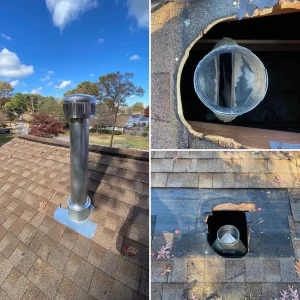
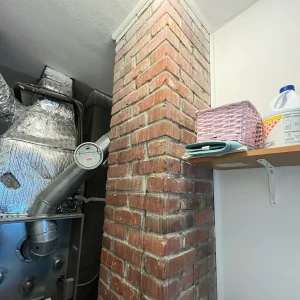


Certified Furnace Exhaust Service You Can Trust
Furnace exhaust systems must be installed and maintained with precision to prevent serious hazards like carbon monoxide exposure, backdrafting, or structural damage. That’s why it’s important to choose professionals who are not only experienced—but certified.
At Premier Chimney and Roofing, our team includes CSIA Certified Chimney Sweeps®, trained in the proper venting of gas and oil appliances in accordance with NFPA 211 and Virginia’s Mechanical and Fuel Gas Codes. CSIA certification ensures we understand the full scope of venting safety, system diagnostics, and code-compliant installation practices.
For trusted furnace exhaust service backed by nationally recognized certification, visit csia.org and view our verified profile at Premier Chimney and Roofing.
Certified Furnace Exhaust Services in Virginia Beach and Surrounding Areas
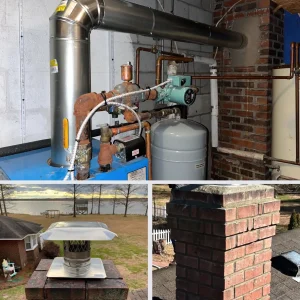
A properly installed and maintained furnace exhaust system is essential for venting harmful gases safely out of your home. Over time, exhaust vents can deteriorate, corrode, or become obstructed, leading to poor furnace performance or even dangerous carbon monoxide exposure. At Premier Chimney and Roofing, our certified team installs, inspects, and services furnace exhaust systems in accordance with Virginia’s Mechanical and Fuel Gas Codes and NFPA 211 national safety standards. We ensure every exhaust vent is correctly sized, sealed, and vented to protect your home and your family.
Q: How often should a furnace exhaust system be inspected?
A: Every year. Annual inspections identify early signs of corrosion, blockage, or leaks before they become dangerous.
What Is Furnace Exhaust?
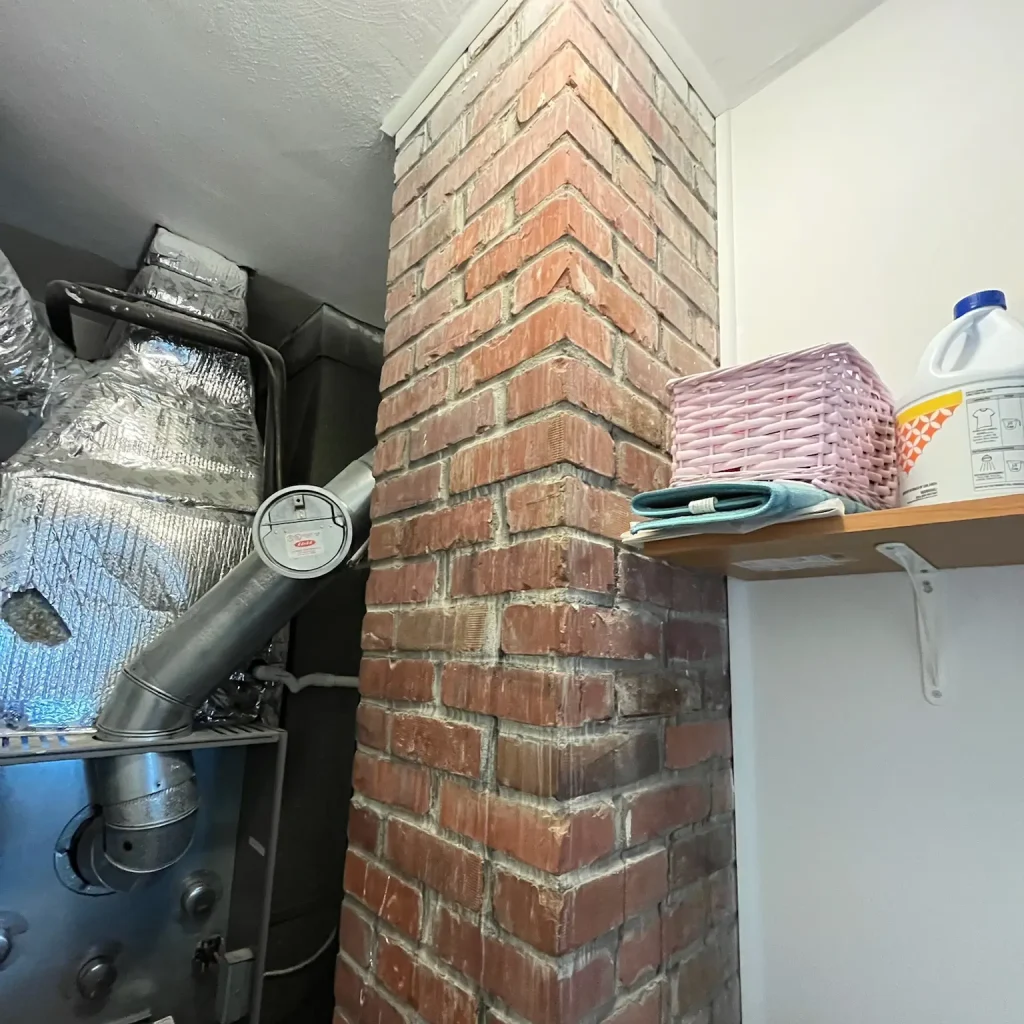
Furnace exhaust systems play a crucial role in removing harmful combustion gases like carbon monoxide and nitrogen oxides from your home. These gases are produced when your furnace burns fuel, and they must be vented safely to the outside. Proper venting keeps your home safe and ensures that your furnace operates efficiently.
Is Furnace Exhaust Dangerous?
Yes, furnace exhaust can be dangerous if not properly vented. Combustion gases like carbon monoxide are toxic and can be lethal if they enter your living spaces. If your furnace exhaust system is damaged or blocked, these gases can leak into your home, putting your family at risk. Regular inspections and professional cleaning of your furnace exhaust system in Virginia Beach, Norfolk, Chesapeake, Portsmouth, Hampton, and Newport News are essential for safety.
How to Ensure Furnace Exhaust Safety
- Routine Maintenance: Your furnace exhaust system should be inspected regularly and serviced as needed. Damaged or corroded vent pipes can lead to leaks, allowing dangerous gases to enter your home.
- Timely Replacement: Periodically replacing the exhaust vents and chimney systems used to vent your furnace is crucial. Over time, materials degrade, and replacing old systems prevents potential hazards.
- Install Carbon Monoxide Detectors: To further ensure safety, install carbon monoxide detectors in your home. These devices will alert you to any dangerous gas levels caused by a faulty exhaust system.
Typical Furnace Exhaust Services in Virginia Beach, Norfolk, Chesapeake, Portsmouth, Hampton, and Newport News
Furnace exhaust systems are essential to keeping your home safe by properly venting harmful gases like carbon monoxide. Regular maintenance and servicing are key to ensuring these systems function efficiently and safely. Below are the typical furnace exhaust services available for homeowners in Virginia Beach, Norfolk, Chesapeake, Portsmouth, Hampton, and Newport News:
1. Furnace Exhaust Inspection
Routine inspections are essential to identify potential issues before they become serious hazards. During an inspection, a trained HVAC venting specialist checks the entire furnace exhaust system for signs of wear, corrosion, leaks, or blockages. This includes examining the vent pipes, chimney system, and any fans or blowers used in power vent systems.
Key Benefits:
- Early detection of leaks or blockages.
- Ensuring the system complies with Virginia’s Fuel Gas Code and Mechanical Code established by the International Code Council (ICC).
- Peace of mind knowing that the system is venting harmful gases safely.
2. Furnace Exhaust Cleaning
Over time, furnace exhaust systems can accumulate soot, debris, and even animal nests. A blocked exhaust system reduces efficiency and increases the risk of dangerous gases backing up into your home. Professional chimney cleaning services are necessary to clear these obstructions and ensure the system operates smoothly.
Key Benefits:
- Prevents blockages that can lead to carbon monoxide buildup.
- Improves the furnace’s efficiency by allowing gases to vent properly.
- Extends the life of the exhaust system by removing corrosive materials.
3. Exhaust Vent Pipe Replacement
Vent pipes can deteriorate over time due to rust, corrosion, or physical damage. Replacing damaged or outdated vent pipes is crucial for maintaining safety and system performance. Technicians will install new, code-compliant pipes to ensure proper venting.
Key Benefits:
- Eliminates leaks caused by rust or cracks.
- Improves overall safety by ensuring all exhaust gases are vented outside.
- New pipes last longer and are more resistant to future damage.
4. Chimney Liner Installation or Replacement
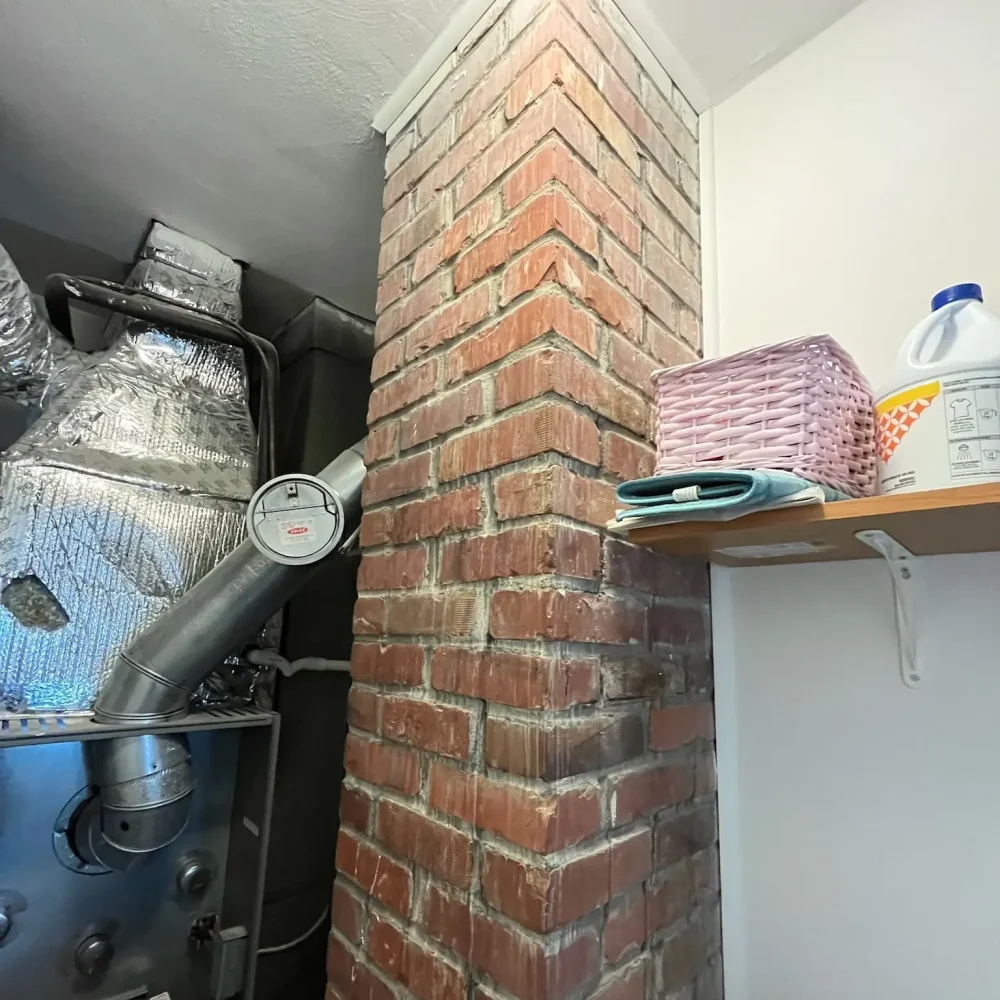
For homes that need chimney flue repair, the chimney liner is a critical component in ensuring safe venting of furnace exhaust gases. Over time, chimney liners can crack or deteriorate, leading to leaks or reduced performance. Installing or replacing a chimney liner restores the system’s efficiency and safety.
Key Benefits:
- Protects your chimney from heat damage and gas leaks.
- Extends the life of the chimney by preventing harmful gases from eroding the structure.
- Complies with state building codes, particularly Virginia’s Fuel Gas Code.
5. Carbon Monoxide Detector Installation
Carbon monoxide (CO) is a colorless, odorless gas that is potentially deadly. Installing carbon monoxide detectors in key areas of your home ensures that you will be alerted if harmful gases from the furnace exhaust system leak into your living space.
Key Benefits:
- Provides an early warning if there is a CO leak in your home.
- Offers an additional layer of safety for families, especially in homes with older furnace systems.
- Ensures compliance with local safety regulations.
6. Exhaust Fan Repair or Replacement
Power vent systems rely on fans or blowers to actively push exhaust gases out of the home. These components can wear out over time, leading to inefficient venting or even complete failure of the exhaust system. Regular servicing or replacement of exhaust fans ensures that the system remains operational.
Key Benefits:
- Improves the efficiency of power vent systems.
- Prevents dangerous gas buildup caused by fan failure.
- Ensures smooth and quiet operation of the venting system.
7. Exhaust System Reconfiguration for Upgrades
Upgrading to a more efficient furnace may require changes to the existing exhaust system. For example, older homes with natural draft systems may need to be reconfigured to accommodate a modern direct vent system. Exhaust system reconfiguration involves updating or modifying the venting setup to meet the new furnace’s requirements.
Key Benefits:
- Ensures your new furnace operates at maximum efficiency.
- Complies with modern building codes and safety regulations.
- Reduces the risk of backdrafting or exhaust leaks.
8. Furnace Exhaust Leak Detection and Repair
Leaks in the furnace exhaust system pose serious risks, as they allow gases like carbon monoxide to enter your home. Technicians use advanced detection tools to locate leaks in the system and repair them quickly, preventing further damage or danger.
Key Benefits:
- Immediate elimination of any gas leaks.
- Reduces the risk of health hazards such as carbon monoxide poisoning.
- Restores proper functioning of the exhaust system.
9. Furnace Exhaust System Retrofitting
In some older homes, the furnace exhaust system may no longer meet current safety and building codes. Retrofitting involves upgrading the system to meet modern standards. This service can include installing new vent pipes, replacing the chimney liner, or adding an exhaust fan to improve efficiency.
Key Benefits:
- Brings outdated systems up to current code requirements.
- Improves safety by addressing potential risks associated with older systems.
- Enhances system performance and energy efficiency.
10. Emergency Furnace Exhaust Repairs
If you notice a problem with your furnace exhaust system—such as odd smells, noises, or signs of a leak—it’s crucial to get emergency repairs immediately. Professional chimney technicians are available to assess the situation and make the necessary chimney repairs to protect your family and home.
Key Benefits:
- Fast response to prevent dangerous gas leaks.
- Immediate repair to restore your home’s safety.
- Peace of mind knowing the issue has been addressed by experts.
Servicing Furnace Exhaust Systems in Virginia Beach, Norfolk, Chesapeake, Portsmouth, Hampton, and Newport News
At Premier Chimney and Roofing, we specialize in furnace exhaust system services for homeowners across Virginia Beach, Norfolk, Chesapeake, Portsmouth, Hampton, and Newport News. Whether you need routine maintenance, vent pipe replacement, or emergency repairs, our team is dedicated to ensuring your furnace exhaust system operates safely and efficiently. We follow strict compliance with Virginia’s Fuel Gas Code and Mechanical Code, ensuring that your system is up to date with the latest safety standards.
By regularly maintaining your furnace exhaust system, you can prevent potential hazards, improve energy efficiency, and ensure the longevity of your furnace and exhaust components.
Appointment Communications:
- Booking confirmation, at time of scheduling, via text or email
- Email identifying your assigned technician and what to expect
- Reminder notice, the day before your appointment, via text
- Final reminder, the morning of your appointment, via text
- 20-30 minute Heads up when technician is in route
Types of Furnace Exhaust Vent Systems for Homes in Virginia Beach, Norfolk, Chesapeake, Portsmouth, Hampton, and Newport News
- Natural Draft Systems
Relying on the natural upward flow of hot air, these systems carry exhaust gases through a chimney. While common in older homes across Virginia Beach and Norfolk, they are less efficient than modern alternatives and require regular inspection to avoid leaks. Natural draft systems MUST NEVER be connected to powered vent systems or direct vent systems. As this creates guaranteed pressurization problems that cause flue gases to be pushed into the living space. - Power Vent Systems
These systems use a fan to actively push exhaust gases outside, offering greater efficiency. Power vent systems are common in modern homes in cities like Chesapeake and Portsmouth. They need regular servicing to ensure the fan operates properly. - Direct Vent Systems
Direct vent systems use a sealed pipe system to bring in air for combustion and vent exhaust gases. These highly efficient systems are popular in newer homes in Hampton and Newport News, reducing the risk of leaks and increasing furnace efficiency. - Chimney Vent Systems
In older homes, chimney vent systems utilize the home’s chimney to vent furnace gases. Regular inspections are crucial to prevent deterioration, especially in homes throughout Virginia Beach, Norfolk, and Chesapeake.
Code Compliance in Virginia Beach, Norfolk, Chesapeake, Portsmouth, Hampton, and Newport News
When replacing or servicing furnace exhaust vents and chimney systems, strict adherence to Virginia’s Fuel Gas Codeand Mechanical Code is essential. These codes govern the proper installation and maintenance of furnace exhaust systems, ensuring they operate safely and efficiently. Compliance with these regulations is especially important in Portsmouth, Hampton, and Newport News, where older homes may have outdated systems that require upgrades to meet current standards.
Why Regular Servicing and Replacement Are Essential for Furnace Exhaust Systems
Furnace exhaust systems can wear out over time, developing cracks, corrosion, or blockages that pose serious safety risks. Regular inspections and timely replacements help prevent dangerous gas leaks in homes across Virginia Beach, Norfolk, Chesapeake, Portsmouth, Hampton, and Newport News. By scheduling routine servicing, you can ensure your furnace exhaust system remains safe and efficient.
Appointment Communications:
- Booking confirmation, at time of scheduling, via text or email
- Email identifying your assigned technician and what to expect
- Reminder notice, the day before your appointment, via text
- Final reminder, the morning of your appointment, via text
- 20-30 minute Heads up when technician is in route
Common Issues with Furnace Exhaust Systems and Their Solutions
Furnace exhaust systems play a critical role in venting dangerous gases, but like any system, they can develop issues over time. Below are some of the most common problems that homeowners in Virginia Beach, Norfolk, Chesapeake, Portsmouth, Hampton, and Newport News may encounter with their furnace exhaust systems and their respective solutions:
1. Clogged or Blocked Exhaust Vents
Issue: Over time, exhaust vents can become clogged with debris such as leaves, animal nests, or soot buildup. Blockages can prevent harmful gases like carbon monoxide from properly venting, causing them to back up into your home.
Solution:
- Regular Inspection: Schedule annual inspections to check for blockages.
- Professional Cleaning: Have the vents cleaned periodically by a professional to ensure the exhaust path is clear. Using advanced tools like rotary-powered equipment ensures thorough cleaning.
- Install Protective Vent Covers: Installing a protective chimney cover on the vent can prevent animals and debris from entering the system.
2. Corroded or Rusted Vent Pipes
Issue: Furnace exhaust vents, particularly metal pipes, are susceptible to rust and corrosion over time. Exposure to moisture, particularly in coastal cities like Virginia Beach and Norfolk, can accelerate this process. Corrosion can lead to leaks, allowing harmful gases to escape.
Solution:
- Periodic Replacement: Regularly inspect vent pipes for signs of rust or corrosion. If deterioration is found, replace the vent pipes before they cause a leak.
- Use Stainless Steel Components: In areas prone to moisture, using stainless steel components can prevent corrosion and extend the life of the exhaust system.
3. Improper Slope of Vent Pipes
Issue: Furnace exhaust pipes need to be properly sloped to allow gases to rise and exit the home efficiently. If the pipes are installed incorrectly or sag over time, it can lead to gas buildup or backdrafting, where gases flow back into the home.
Solution:
- Correct Installation: Ensure that a licensed chimney professional installs or adjusts the vent pipes with the proper slope. In Chesapeake and Portsmouth, homes with older systems may require re-adjustments to meet modern standards.
- Support and Secure Vents: Use proper supports to prevent sagging over time.
4. Cracked Chimney Liners or Vent Pipes
Issue: Chimney liners and vent pipes can develop cracks due to age, wear, or extreme temperatures. Cracks compromise the system’s ability to safely vent gases, leading to potential gas leaks.
Solution:
- Chimney Relining: In homes with chimney vent systems, install a new chimney liner using durable materials such as stainless steel or the HeatShield system.
- Pipe Replacement: Replace cracked or damaged vent pipes immediately to prevent leaks. Always ensure that materials used meet the Virginia Fuel Gas Code and Mechanical Code standards.
5. Backdrafting
Issue: Backdrafting occurs when exhaust gases are pulled back into the home instead of being vented outside. This issue is especially dangerous, as it allows carbon monoxide and other harmful gases to circulate inside your living spaces. It can happen due to improper ventilation, blocked vents, or negative air pressure within the home.
Solution:
- Ensure Proper Ventilation: Have a professional inspect and adjust the home’s ventilation system to correct any negative air pressure issues.
- Install Direct Vent Systems: In homes prone to backdrafting, consider upgrading to a direct vent system, which seals combustion and exhaust processes from the living space.
- Carbon Monoxide Alarms: Always install carbon monoxide detectors near furnace areas to provide an early warning if backdrafting occurs.
6. Vent Pipe Disconnections or Gaps
Issue: Over time, vent pipes can disconnect or develop gaps due to vibration, poor installation, or aging materials. Gaps allow gases to escape before they are fully vented outside.
Solution:
- Pipe Realignment and Sealing: A licensed professional should inspect the vent system and realign any disconnected pipes. Properly seal any gaps using code-compliant materials such as high-temperature sealants or metal tape.
- Regular Inspections: Scheduling annual inspections of the exhaust vent system helps catch minor issues before they become hazardous.
7. Excessive Soot or Debris Accumulation
Issue: Accumulation of soot and debris inside furnace vents reduces efficiency and can lead to blockages, increasing the risk of carbon monoxide buildup.
Solution:
- Frequent Cleaning: In homes using natural draft systems or older chimney vent setups, frequent cleaning is essential. Hiring a professional chimney and furnace cleaning service ensures thorough removal of debris and soot.
- Use of Rotary-Powered Cleaning Systems: Advanced cleaning systems like SnapLok rotary-powered tools can remove buildup more effectively and prevent future blockages.
8. Condensation in Vent Pipes
Issue: In high-efficiency furnaces, condensation can form inside the vent pipes, especially in cold climates or during cold weather. Over time, this moisture can cause rusting, blockages, or mold growth inside the exhaust system.
Solution:
- Proper Vent Pipe Insulation: Insulate vent pipes to prevent condensation from forming.
- Drainage Systems: Ensure proper drainage is in place to remove condensation from high-efficiency systems.
- Use of Corrosion-Resistant Materials: In areas like Hampton and Newport News, consider upgrading to corrosion-resistant materials like stainless steel to prevent rust and ensure longer service life.
Furnace Exhaust System Solutions for Virginia Beach, Norfolk, Chesapeake, Portsmouth, Hampton, and Newport News
If you’re in Virginia Beach, Norfolk, Chesapeake, Portsmouth, Hampton, or Newport News, having a professional HVAC service regularly inspect and maintain your furnace exhaust system is critical to avoid these common issues. Proper servicing ensures that your furnace exhaust system complies with Virginia’s Fuel Gas Code and Mechanical Code, keeping your home safe and efficient.
By understanding these common furnace exhaust system problems and knowing the solutions, homeowners across these cities can take proactive steps to maintain the safety and efficiency of their heating systems. Regular maintenance, professional servicing, and code compliance are essential for ensuring the safety and longevity of your furnace exhaust system.
Appointment Communications:
- Booking confirmation, at time of scheduling, via text or email
- Email identifying your assigned technician and what to expect
- Reminder notice, the day before your appointment, via text
- Final reminder, the morning of your appointment, via text
- 20-30 minute Heads up when technician is in route