What Is a Chimney Fire and How Do They Occur?
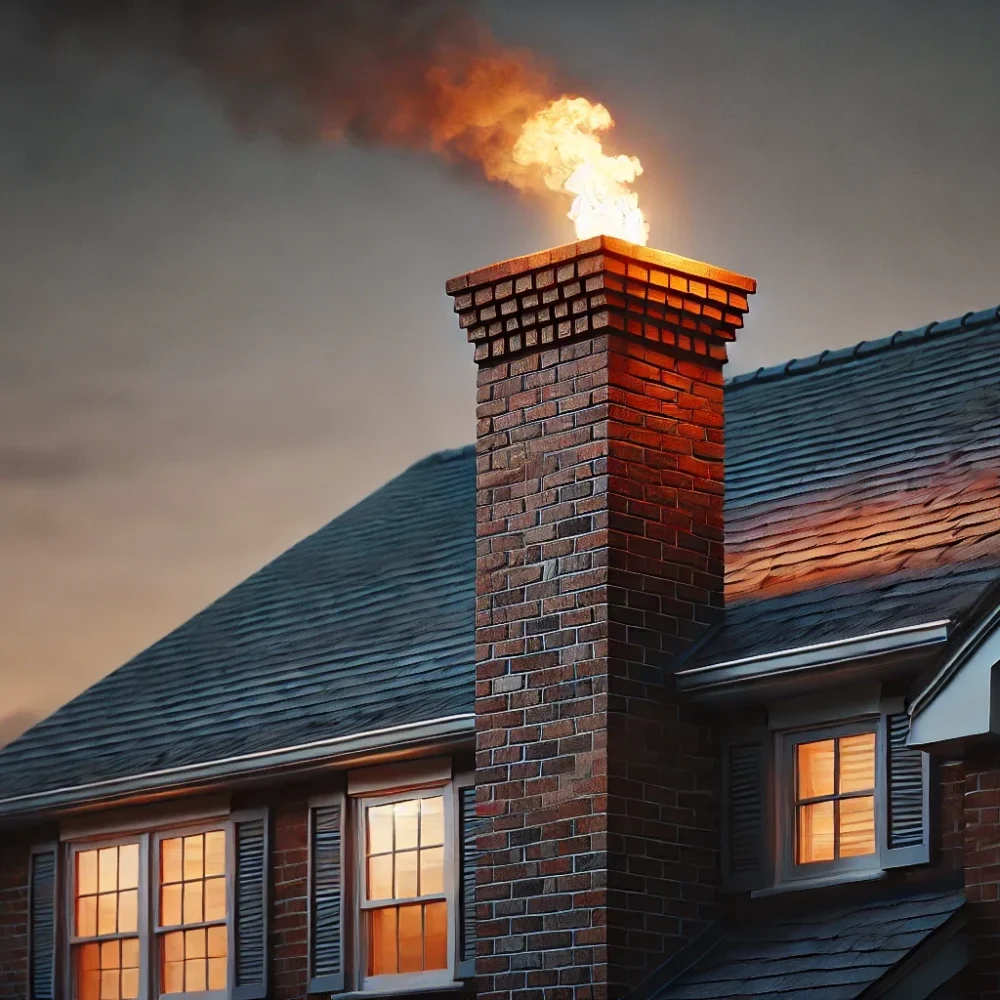
A chimney fire occurs when creosote inside the chimney catches fire. Creosote, a byproduct of burning wood, builds up over time, especially when burning unseasoned wood or maintaining low-temperature fires. This buildup creates a serious fire hazard if not addressed, and must be resolved using professional creosote removal techniques.
Chimney fires in areas like Virginia Beach, Norfolk, Portsmouth, Chesapeake, Hampton, and Newport News can go unnoticed if the signals are ignored. Most chimney fires feature loud popping noises, loud cracks, large flames, and an audible wind tunnel through the fireplace up the chimney. Rapid flash fires are often unnoticed until a professional level 2 chimney inspection reveals the damage.
The Main Causes of Chimney Fire
The main causes of a chimney fire typically stem from the buildup of creosote, a flammable substance that accumulates inside the chimney lining from burning wood. When this residue is not cleaned regularly, it can ignite under high temperatures or when exposed to a stray spark. Additionally, chimney fires can result from structural damage, such as cracks in the flue lining, which allow heat to escape into combustible materials nearby. Using improper fuel, such as unseasoned wood, and neglecting routine maintenance are also significant contributors to chimney fires, underscoring the importance of regular chimney inspections and professional chimney cleaning.
- Creosote buildup.
- Burning wet or unseasoned wood.
- Poor chimney maintenance.
- Cracks and gaps in the chimney lining that allow heat to escape.
Many homeowners don’t realize a chimney fire has occurred until after the fact. Some common signs include loud cracking or popping sounds during use, an intense burning smell, and thick, dark smoke entering the home. After the event, you may notice creosote in the flue that appears puffy or honeycombed, discoloration or warping of chimney components, or cracks in the chimney crown or masonry. In some cases, pieces of creosote or metal debris might even fall into the fireplace. If you notice any of these signs, stop using your fireplace immediately and schedule a professional Level 2 chimney inspection. Chimney fires can cause hidden structural damage and pose serious safety risks if not addressed.
You should never use your fireplace again after a chimney fire until it has been professionally inspected. Even if there are no visible signs of damage, the fire may have weakened the flue lining or compromised structural components inside the chimney. A certified chimney technician will need to perform a Level 2 video scan inspection to determine the extent of the damage. Continuing to use the fireplace without repairs could result in another chimney fire—or worse, a full-blown house fire.
What to Do During a Chimney Fire
If you suspect a chimney fire, act fast.
- Get everyone out of the house immediately.
- Call 911 right away.
- If safe, close the fireplace doors to reduce oxygen.
- Don’t use water. Water can damage the chimney further.
- Wait for the fire department to handle the situation.
What to Do After a Chimney Fire
After a chimney fire, a Level 2 video scan will reveal any hidden issues inside the chimney. It is crucial to inspect the chimney and address the damage immediately. Start by scheduling a professional chimney inspection in Virginia Beach with Premier Chimney and Roofing to assess the extent of the damage.
Avoid using the chimney until all necessary repairs are completed and it is deemed safe to use. Document the damage thoroughly with photos and notes for your insurance claim. Finally, contact your insurance provider promptly to report the fire and begin the claims process.
Yes, chimney fire damage is usually covered by homeowner’s insurance, especially if the fire was accidental and the system was properly maintained. However, claims can be denied if there is evidence of neglect, such as failure to have the chimney cleaned or inspected as recommended by NFPA 211 standards.
🔥 Don’t Use Your Gas Fireplace Until It’s Inspected
If your gas appliance vented through a chimney that caught fire, it may no longer be safe to use. Our Gas Fireplace Repair Virginia Beach technicians are NFI Certified® and trained to evaluate fire-related risks to gas systems.
How We Identify and Repair The Damage
Premier Chimney and Roofing serves Virginia Beach, Norfolk, Portsmouth, Chesapeake, Hampton, and Newport News. We specialize in chimney fire recovery.
We inspect chimneys with advanced video equipment to find cracks, missing mortar, or structural damage. If the flue liner is damaged, we repair it using HeatShield system. If the chimney lining is beyond repair and needs replacement, we will install an entirely new stainless steel chimney relining system. Severe damage may require partial or full chimney rebuilding. For smoke chambers, we resurface or smooth the area to restore safety and performance.
🧱 Chimney Damage After a Fire? We Can Rebuild It
Chimney fires often cause damage to masonry structures. Visit our Masonry Chimney Repair Virginia Beach page to learn about common fire-related chimney repairs and how we restore structural integrity to code.
How to Prevent Chimney Fires
You can prevent chimney fires with proper care:
- Clean your chimney annually to remove creosote. Our SnapLok rotary-powered cleaning system ensures a deep clean.
- Burn only seasoned hardwood. Let it dry for six months or more.
- Install a chimney cap to block debris and animals.
- Inspect your chimney every year with a Level 2 video inspection.
- Practice safe burning. Avoid overloading the firebox and ensure proper airflow.
Trust Premier Chimney and Roofing for Chimney Fire Recovery
A chimney fire can be devastating, but we’re here to help. Premier Chimney and Roofing will assess the damage, perform expert repairs, and help you prevent future fires. Serving Virginia Beach and surrounding areas, we are your trusted chimney experts. Contact us today to schedule your inspection or repair.
Appointment Communications:
- Booking confirmation, at time of scheduling, via text or email
- Email identifying your assigned technician and what to expect
- Reminder notice, the day before your appointment, via text
- Final reminder, the morning of your appointment, via text
- 20-30 minute Heads up when technician is in route