The Difference Between Vented and Vent-Free Gas Fireplaces
When choosing a gas fireplace, homeowners often decide between a vented vs ventless fireplace model. Both provide warmth and ambiance but work differently, with distinct pros and cons. Knowing the differences helps ensure your fireplace meets your heating needs, style, and safety requirements.
Installation
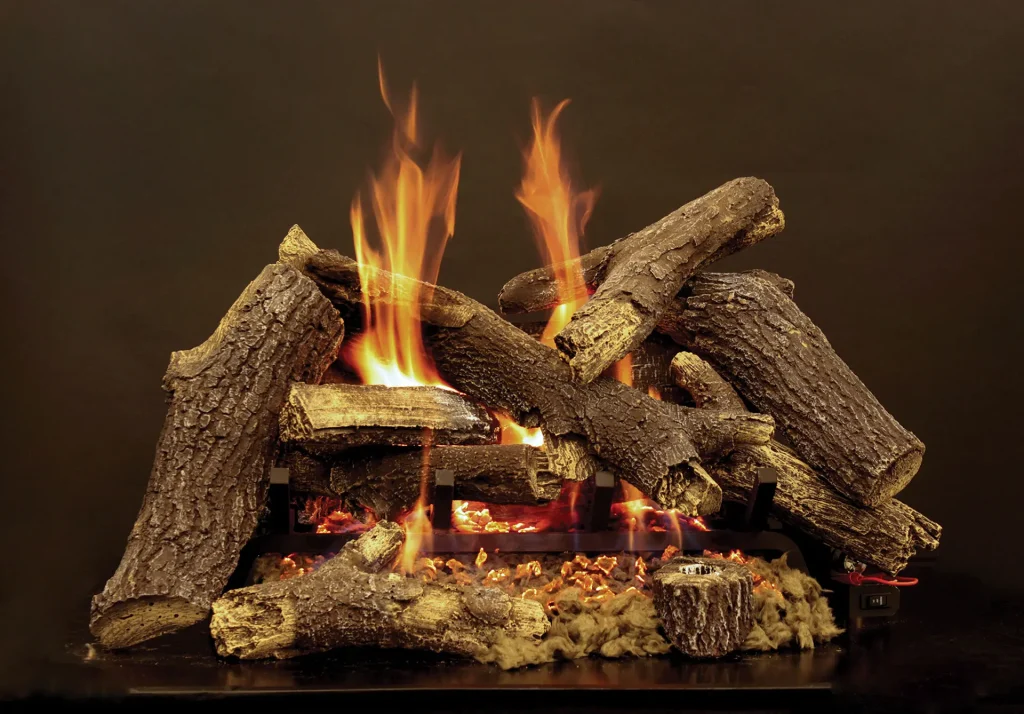
Vented Fireplaces: Vented fireplaces need an external chimney or flue to expel by-products like smoke, carbon dioxide, and other gases. Venting is done through an existing chimney or a new duct that goes through a wall or roof. This makes installation more complex and time-consuming, with higher costs for labor and materials. If you have an existing chimney, installation can be easier.
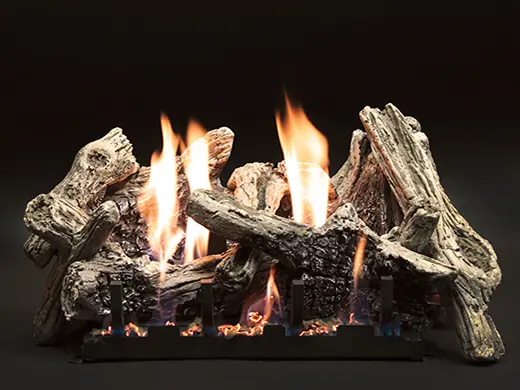
Ventless Fireplaces: Ventless fireplaces don’t need external venting, making them simpler and cheaper to install. Without a chimney or flue, they can go in almost any room, offering more flexibility. Installation involves connecting to a gas line, so it’s faster and costs less.
Air Quality and Safety
Vented Fireplaces: Vented fireplaces expel all combustion by-products outside, keeping indoor air clean and safe. They are ideal for those who prioritize air quality, especially if there are children, pets, or people with respiratory issues. By venting gases outside, the risk of indoor air pollution is minimized.
Ventless Fireplaces: Ventless fireplaces release by-products like carbon monoxide, nitrogen dioxide, and water vapor into the home. This can be a health risk, especially in tightly sealed homes with poor ventilation. Modern ventless fireplaces burn fuel efficiently to minimize emissions, but proper maintenance is needed. Some areas may restrict ventless fireplaces due to air quality concerns, so check local regulations.
Efficiency
Vented Fireplaces: Vented fireplaces lose some heat through the vent along with combustion gases, making them less efficient. While they still provide warmth, some energy escapes. Many homeowners find the trade-off between lower efficiency and better air quality worthwhile.
Ventless Fireplaces: Ventless fireplaces keep all produced heat indoors, making them very efficient. They effectively warm small to medium spaces, which can lead to lower energy bills. However, since they don’t vent outside, it’s essential to monitor air quality for safety.
Conclusion
Choosing between a vented vs ventless gas fireplace depends on budget, home design, air quality needs, and heating requirements. Ventless fireplaces are easier to install and highly efficient, making them cost-effective. However, they require careful air quality monitoring due to no external venting. Vented fireplaces have higher installation costs and lower efficiency but provide cleaner indoor air with fewer emission worries. Weighing the pros and cons will help you choose the best fireplace for your comfort, safety, and heating needs.